Get a Free Roofing Estimate Today
How to Spot Roof Damage After a Storm: A Step-by-Step Guide
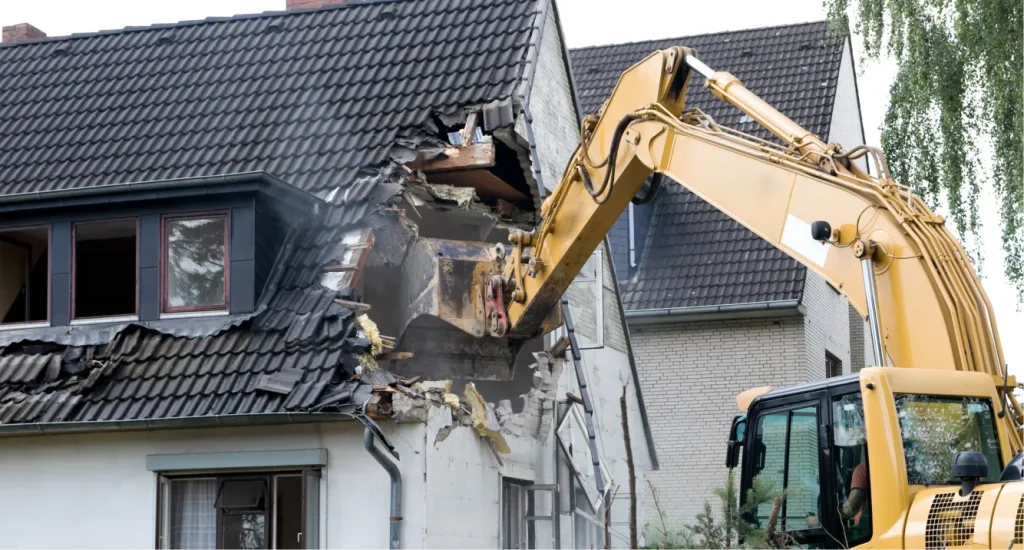
Begin with a Safe Ground-Level Assessment
Begin your assessment from the ground before attempting to climb onto or near your roof. A safe, methodical visual inspection can reveal the majority of storm-related damage without putting yourself at risk. Stand at different vantage points around your property and examine the roofline carefully, looking for obvious signs such as missing or displaced shingles, visible gaps in coverage, or debris lodged in valleys and gutters.
Pay particular attention to the condition of asphalt shingle roofing, which is common throughout Philadelphia and Bensalem, PA. After severe weather, you may notice granule loss that exposes the underlying mat, creating dark or bare patches. These granules protect shingles from UV damage and weathering, so their absence accelerates deterioration. Check downspouts and gutters for an accumulation of granules, which often appears as dark, sand-like material. This is a clear indicator that your shingles have sustained impact damage.
Inspect metal components such as flashing around chimneys, vents, and roof valleys. Strong winds from Philadelphia’s seasonal thunderstorms and nor’easters can bend, lift, or completely dislodge these critical barriers, allowing water to penetrate the roof deck. Similarly, examine ridge caps and edges where wind uplift is most pronounced. If you observe any lifting, curling, or missing sections, these areas require immediate attention to prevent further water intrusion and structural compromise.
Identify Damage from Inside Your Home
Interior indicators of roof damage often appear before exterior signs become obvious to the untrained eye. Begin by inspecting your attic space during daylight hours. Look for any streaks of light penetrating through the roof deck, which signals gaps or holes in your roofing system. Water stains on the underside of the decking, visible mold growth, or a musty odor all point to moisture infiltration that may have begun during recent storms.
Move through the upper floors of your home and examine ceilings carefully for discoloration, dark spots, or rings that indicate water has pooled above the drywall. Peeling paint or wallpaper near the roofline is another red flag, as is sagging or bulging drywall that suggests prolonged exposure to moisture. In Philadelphia and Bensalem, the combination of humid summers and freeze-thaw cycles in winter can worsen interior water damage rapidly once it starts, leading to mold proliferation and structural weakening.
Do not dismiss small stains or minor discoloration. Even limited water intrusion can cause significant harm over time, particularly when seasonal temperature swings drive moisture deeper into insulation and framing. Early detection allows you to address the issue before it escalates into costly repairs involving not just the roof but also interior finishes, insulation, and potentially structural members. If you identify any of these interior warning signs, document them with photographs and contact a roofing contractor promptly for a thorough assessment.
Recognize Common Wind, Hail, and Impact Damage
The Philadelphia and Bensalem area experiences distinct weather patterns that create specific types of roof damage. Spring and summer thunderstorms bring high winds that can strip shingles from their fasteners, lift edges, and compromise flashing around penetrations. Wind damage typically appears as missing shingles in a scattered pattern, lifted tabs along ridges and eaves, or torn sections where the roof meets walls and chimneys. Metal roofing company installations may show bent panels or loosened fasteners after severe wind events.
Hail damage is another frequent concern following intense convective storms. On asphalt shingle roofing, hail creates small dents or divots that may not be immediately visible from the ground but compromise the shingle’s integrity. Look for bruised or cracked shingles, loss of protective granules in circular patterns, and dented metal components such as vents, gutters, and flashing. Cedar shake roofing can suffer split or cracked shakes, while metal roofing surfaces may display circular dents or punctures depending on hail size and velocity.
Impact damage from falling branches or windborne debris is especially common in neighborhoods with mature trees. Nor’easters, which bring sustained winds and heavy precipitation, can cause branches to snap and strike roofing surfaces with significant force. This type of damage often penetrates multiple layers, creating openings that allow immediate water infiltration. Inspect not only the point of impact but also surrounding areas, as the force can loosen adjacent shingles or crack underlying decking. Understanding these regional patterns helps property owners recognize what to look for after each type of weather event and underscores the importance of timely storm damage roof repair to prevent secondary damage.
Know When Professional Assessment Is Necessary
While ground-level and interior inspections provide valuable information, certain situations demand the skill and safety equipment of a professional roofing contractor. Climbing onto a roof carries inherent risks, including falls from height, slips on wet or damaged surfaces, and structural instability that may not be visible from below. Ladders must be properly secured, and individuals must understand weight distribution and safe movement across different roofing materials. For most homeowners, these risks far outweigh the benefits of a DIY inspection.
Contact an emergency roof repair service or qualified roof repair services provider if you observe widespread damage, structural sagging, large missing sections, or active leaks inside your home. These conditions indicate that the roofing system’s integrity has been compromised and requires immediate professional intervention to prevent further harm to the building envelope and interior. Additionally, if you are uncertain about the severity of what you see, or if your observations will support an insurance claim, a professional inspection provides the documentation and technical assessment necessary for accurate claims processing.
Professional roof inspectors bring specialized knowledge that allows them to identify hidden damage beneath the surface. In Philadelphia and Bensalem, storm events can cause subtle shifts in roof decking, compromise underlayment integrity, or create small punctures that will not manifest as leaks until weeks or months later. A certified roofing contractor can assess the full scope of damage, recommend appropriate repairs, and provide a detailed report that protects your property investment. Scheduling a professional roof inspection after any significant storm ensures that you address all issues, not just the ones visible to the untrained eye, and helps you make informed decisions about repair versus replacement.
Taking Action: Documentation, Claims, and Long-Term Roof Health
Once you have identified potential damage or suspect your roof has been compromised by severe weather, swift and informed action protects both your property and your investment. Begin by documenting every area of concern with clear photographs from multiple angles. These images serve as critical evidence for insurance claims and provide your roofing contractor with preliminary information before the formal inspection. Take photos of exterior damage, interior water stains, debris impact points, and any visible structural changes.
Contact your insurance carrier promptly to report the damage and initiate a claim if warranted. Most policies require timely notification after a loss, and delays can complicate or jeopardize coverage. Your insurer will likely schedule an adjuster visit to assess the extent of the damage and determine covered repairs. Having professional documentation from a qualified roofing contractor strengthens your claim and ensures nothing is overlooked during the adjustment process.
Schedule a thorough professional roof inspection as soon as possible after a significant storm event. Even if damage appears minor from the ground, hidden structural compromise, moisture penetration beneath shingles, or weakened underlayment can worsen rapidly without intervention. In the Philadelphia and Bensalem regions, seasonal freeze-thaw cycles accelerate deterioration once water infiltrates the roof system, turning small leaks into major interior damage within a single winter season.
Address identified damage quickly rather than deferring repairs. Procrastination allows weather exposure to expand the affected area, permits water intrusion to damage insulation and framing, and increases the likelihood of mold growth in attic spaces. Timely storm damage roof repair not only limits repair costs but also preserves the integrity of your entire roofing system and protects interior finishes, possessions, and structural components from secondary water damage.
Establish a preventive maintenance routine that includes regular roof inspections, particularly after severe weather events common to the Philadelphia area. Spring thunderstorms, summer downpours, autumn nor’easters, and winter ice accumulation all stress roofing materials in distinct ways. A proactive inspection schedule allows you to catch minor wear before it escalates into costly emergency situations. Professional roofing contractors can identify early warning signs, recommend maintenance measures, and help you plan for eventual roof replacement service when your system reaches the end of its serviceable life.